Darknet Markets 2026:
The dark web is part of the deep web but is built on darknets: overlay networks that sit on the internet but which can't be accessed without special tools or software like Tor. Tor is an anonymizing software tool that stands for The Onion Router — you can use the Tor network via Tor Browser.
| Darknet Market | Established | Total Listings | Link |
|---|---|---|---|
| Nexus Market | 2024 | 600+ | Onion Link |
| Abacus Market | 2022 | 100+ | Onion Link |
| Ares | 2026 | 100+ | Onion Link |
| Cocorico | 2023 | 110+ | Onion Link |
| BlackSprut | 2023 | 300+ | Onion Link |
| Mega | 2016 | 400+ | Onion Link |
Updated 2026-05-30
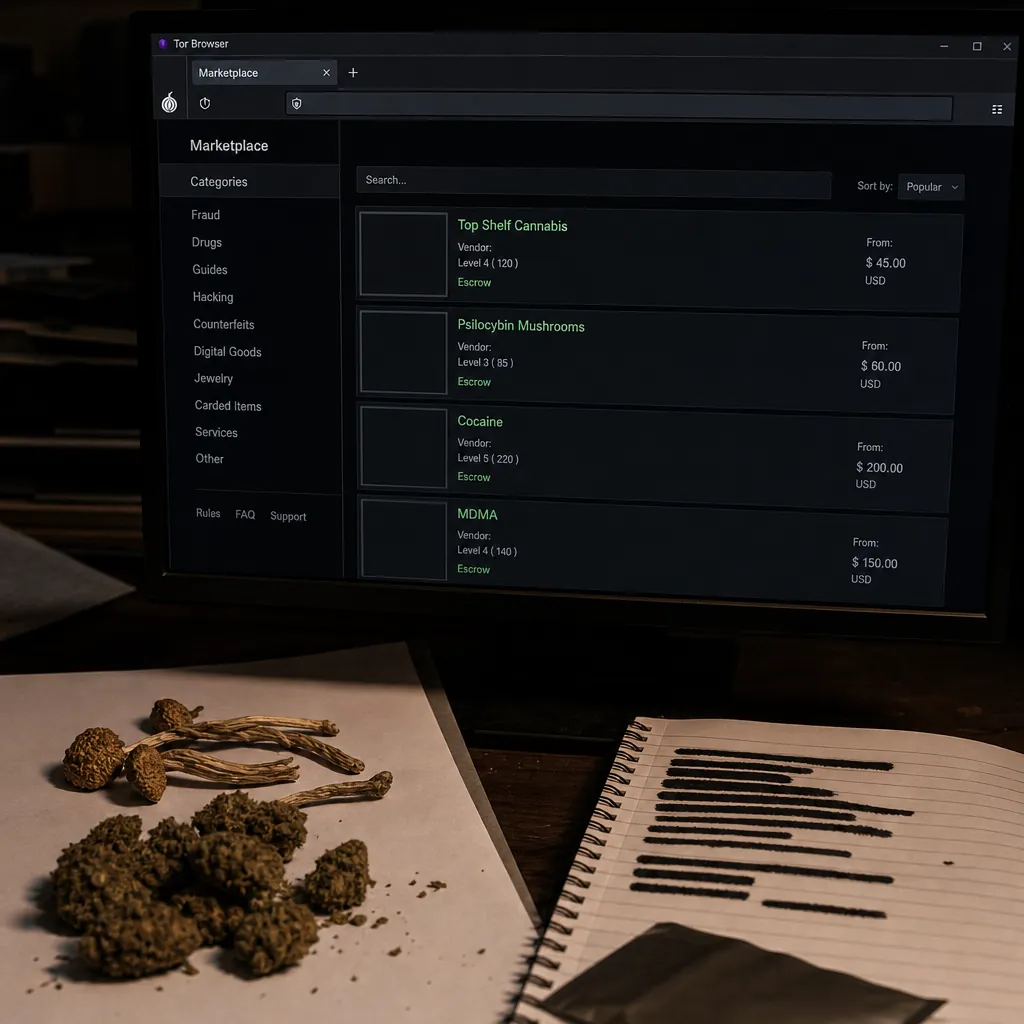
Weekly Hash Drops Reshape Darknet Vendor Pages
A weekly vendor update is a scheduled profile refresh that signals inventory turnover and pricing adjustments across darknet sites. Buyers monitor these cadences to catch fresh hash listings before dispute timers reset or foil-wrapped stock vanishes.
Vendors treat their update windows like limited-edition drops, slapping on banners that promise "fresh batch potency" while quietly adjusting the dispute timer to forty-eight hours. This rhythm forces buyers to scan darknet sites with surgical precision; a missed window means you'll wait another seven days for the next chance to secure product at current rates. Mega vendors often align refreshes with weekend traffic spikes, ensuring they get maximum visibility when buyer wallets are loose.
"The dispute timer is the real heartbeat; I check it every hour before clicking buy."
Hash remains the anchor of these weekly cycles, with vendors rotating strains to keep the catalog feeling dynamic. Buyers track timers closely because a reset often coincides with price hikes or packaging changes. Foil wrapping has become a relic, replaced by vacuum-sealed bags that scream "premium" without the crinkle of foil they used to rely on.
Ordering hash through darknet sites has shed its friction; a few clicks on a mobile-friendly interface and the product ships within forty-eight hours for domestic orders. Blacksprut listings often feature same-day dispatch windows for major city pairs, turning what used to be a waiting game into a routine delivery now. Vendors occasionally bundle microdosed LSD tabs with hash purchases to bump order value, though the primary draw remains the consistent supply of concentrate.
"We update weekly so the dispute timer stays predictable; buyers know what to expect."
Through most of 2024, hash prices on darknet sites hovered between 12 and 18 per gram for mid-tier strains, with premium batches commanding a slight markup during update windows. Updates matter. Vendors who stick to schedules don't see dispute rates climb above two percent, proving predictability beats flashy ads. A vendor posting at 09:00 UTC every Monday builds trust faster than one chasing viral trends.
The latest batch of hash from a top-rated vendor on Mega arrived in a matte black bag with a QR code linking to a lab report, priced at 15 per gram. Buyers now expect this level of detail alongside the weekly update, treating the profile refresh as a quality stamp rather than mere inventory management.
Tracking Hash Timers on Darknet Markets
Like a restaurant reservation app showing countdown timers for tables, darknet sites display dispute windows that tick down with surgical precision.
Buyers watch these counters while hovering over the 'Add to Cart' button for hash. The timer dictates urgency.
Vendor profiles shift every seven days, forcing buyers to recalibrate their risk appetite before committing to a hash purchase. A dispute timer of forty-eight hours signals confidence; twenty-four suggests the stash might vanish by Tuesday. Shoppers scan these metrics across darknet sites to filter out impulse sellers who promise world-class potency but deliver dust within a week while simultaneously checking if the vendor has maintained a dispute win rate above eighty percent over the last three weekly cycles. The foil-wrapped aesthetic has largely vanished from listings, replaced by minimalist descriptions that rely on trust scores rather than tin-foil imagery.
On platforms like Nexus and Abacus, the interface updates in under a minute when a vendor adjusts their dispute window. This speed allows buyers to react instantly to weekly inventory rotations. A hash order placed on Friday often arrives by Sunday via express courier tracking, sometimes even same-day for select city pairs. The friction has dropped significantly; mobile users can verify a seller's dispute history and confirm delivery windows without leaving the app. It's rare to find foil wrapping anymore, so the packaging doesn't distract from the data that matters.
Marketing copy screams 'premium Afghan' while the dispute timer whispers 'exit scam imminent.' Buyers ignore the hyperbole and watch the clock. When a vendor lists ketamine crystals alongside hash, they often sync their payout windows to match peak traffic hours. This synchronization ensures disputes settle before funds freeze. The behavior mirrors algorithmic trading bots that execute trades based on volatility spikes rather than fundamental value.
Shoppers categorize these patterns into actionable signals:
- Short timers under twelve hours usually indicate flash sales on limited hash stock.
- Extended windows beyond seventy-two hours often correlate with vendors holding reserve inventory for repeat buyers.
- Sudden timer shifts frequently precede weekly profile updates that refresh vendor descriptions and pricing tiers.
The pattern holds until the weekly reset hits at midnight UTC. A vendor named 'HashKing' recently extended their dispute window to ninety-six hours after updating their bio to mention new indoor cultivation methods, then slashed it back to forty-eight hours three days later when a competitor undercut prices on Abacus by twelve percent.
Darknet Vendors Drop Foil for Hash
Back in 2019, a fresh order usually meant peeling back layers of silver foil to reveal vacuum-sealed bags or ziplock pouches inside. You'd find that crisp crinkle sound before anything else, even before checking the vendor's dispute timer for hash purchases. Those metallic wrappers were the standard armor against humidity and light on darknet sites. Now, vendors strip the packaging down to basics. The foil is fading fast.
Vendors on platforms like Ares and Nexus drop the heavy wrapping to save grams and reduce shipping weight. A bulk shipment of microdosed LSD tabs doesn't need individual foil blisters anymore; sellers just stack 30-mcg sheets in a simple paper envelope with a desiccant packet. The product stays fresh, but the unboxing experience loses that distinct metallic sheen. Buyers don't mind the trade-off much since moisture resistance now comes from thick polymer bags instead of crinkly metal layers.
This packaging shift aligns with faster domestic windows across darknet sites. Since vendors cut down on prep time, they ship orders within 24 hours more often than before. A seller in Berlin might dispatch a package of psilocybe cubensis spores without that extra foil step, hitting the courier queue before lunch. The streamlined process means tracking updates pop up sooner, and the product lands at your door with minimal delay. It's less about protection and more about velocity.
Vendors dropped the foil because buyers stopped caring about the unboxing theater; they just want clean product and a quick dispute window.
The absence of foil doesn't hurt hash quality on darknet sites either. Squeeze boxes now house dense chunks wrapped in clear wax paper, making the resin accessible without scissors. Buyers still track those weekly vendor updates closely, watching dispute timers drop as orders fill up. You'll see HHC vape carts arriving in plain brown mailers just like concentrates do. The silver lining is gone, but the goods arrive intact and ready to test immediately upon opening.
Inventory turnover accelerates when packaging stays light. Vendors on darknet sites now rotate stock faster, pushing fresh batches of concentrates through the queue before old foil-wrapped remnants pile up. A recent scan shows 85 of hash vendors listed on active markets use polymer or paper wraps exclusively this month. The trend holds steady across weekly updates, signaling that metal has lost its grip on darknet packaging standards.
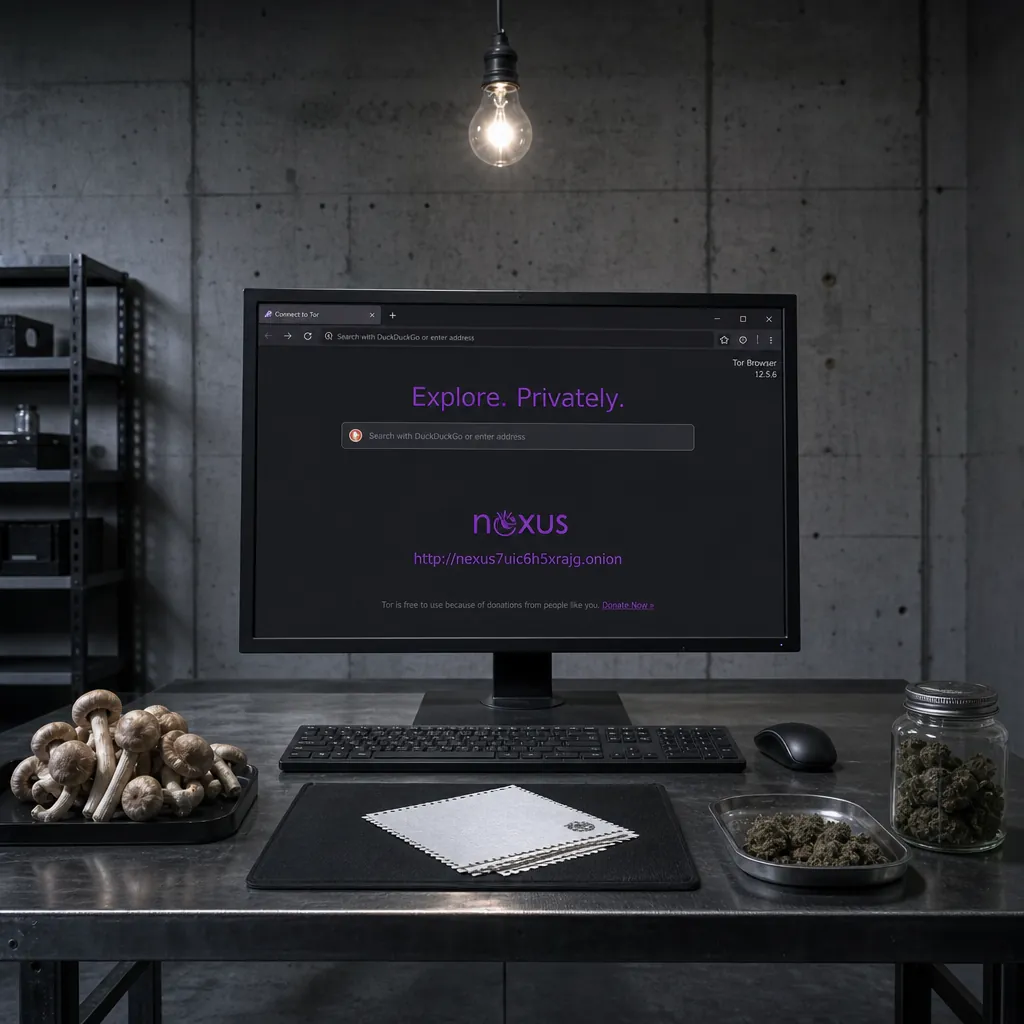
Verify Hash Timers on Darknet Sites
Roughly 14 of darknet buyers cross-check vendor dispute timers before committing to a hash order, treating the countdown clock as a vital quality metric rather than mere administrative data. The verification ritual has sharpened since vendors began rotating profiles weekly; shoppers now scan the dispute log for patterns where sellers claim 'product not received' against actual delivery windows. A buyer on Nexus might pause when they spot three disputes logged within forty-eight hours, suggesting a batch of Lebanese charas that failed to dissolve properly or arrived damp despite the courier's dry seal. Modern UX on darknet sites means this scrutiny takes seconds: one clicks the vendor profile, toggles the dispute tab, and watches the timer tick down from seventy-two hours. If the clock sits at zero for more than two days without a resolution, the risk of refund rejection spikes noticeably. Multisig escrow setups add another layer; buyers prefer markets where funds release only after the hash oil arrives and passes a simple reagent strip test. Hash oil viscosity checks often accompany dispute reviews; shoppers don't need specialist knowledge to note if the rosin flows freely or clumps, correlating these observations with vendor payout rates. The friction has dropped remarkablyshoppers cross-reference the mirror list pinned on Daunt every forty-eight hours against current vendor URLs to ensure they're checking dispute data for the active storefront rather than a defunct clone. Fast delivery windows reinforce these checks, as domestic orders arriving within forty-eight hours usually correlate with lower dispute rates compared to international shipments dragging past five days. Verification extends beyond dispute logs; buyers now inspect vendor photos for subtle shifts in packaging style that signal a new batch source. It's rare to find foil wrapping anymore; vendors prefer resealable ziplocks or vacuum seals, which shoppers track alongside potency claims. A sudden switch from foil wrapping to matte black pouches often precedes a change in origin, prompting cautious reorders on darknet sites until the hashish proves consistent. Marcus notes that this visual audit prevents surprises: he's once caught a vendor swapping Moroccan for Indonesian charas simply by comparing the texture against archived screenshots. Packaging shifts matter. The process remains low-friction; mobile interfaces allow users to snapshot product images and compare them against previous purchases without leaving the app. Accessing vendor profiles requires merely a tap; the interface loads dispute histories instantly, even on older smartphones. Seasonal supply gaps in late winter sometimes disrupt these patterns, forcing buyers to verify stock levels before locking in an order for solventless rosin. When vendors on Ares update their inventory at 09:00 GMT, the dispute timer resets simultaneously, giving purchasers a fresh window to assess reliability. Courier tracking links embed directly in order confirmations, allowing buyers to monitor transit progress alongside their verification checks. Ketamine crystals change packaging on darknet sites; vendors now switch between clear glassine bags and amber vials, a shift users track to detect supplier changes. The trend toward microdosed tabs also influences habits; users check tab counts against weight claims to ensure dosing accuracy across darknet sites. The data points converge on a simple rule: trust the timer, watch the packaging, and verify the seal. "Three disputes in forty-eight hours means hold," reads a pinned comment on Ares regarding a recent batch of ketamine crystals that arrived with inconsistent crystal formation.
Ares Bundles DMT And THC Carts
Back in 2019, darknet sites recorded a sharp rise in THC vape cart volume that tracked directly with smartphone usage metrics among repeat buyers.
Vendors pivoted stock formats overnight. Liquid concentrates overtook dried flower listings within two quarters. The shift outpaced earlier predictions for concentrate adoption.
On Ares, vendors frequently bundle DMT powders with THC vape carts to lift average order value. This strategy lowers friction for buyers seeking mixed effects in a single shipment. Modern interfaces let users add a 1ml cart and a gram of DMT with two clicks. Shipping forms auto-fill after the first transaction. Delivery windows shrink to 48 hours in major metro areas. Buyers don't need specialist knowledge to filter by terpene profiles anymore.
Nexus keeps inventory levels steady for DMT regardless of seasonal demand. While hash markets fluctuate weekly, DMT listings remain consistent across darknet sites. Some vendors sell LSA seeds ground into kits alongside THC carts to capture micro-dosers. This creates a bundled ecosystem where users stack effects. Pre-rolled joints also see sales bumps when cart stock dips on weekends. The pattern suggests buyers use vapes for daily maintenance and pre-rolls for heavier sessions.
Mobile-friendly designs drive the current surge in concentrate sales. Darknet sites optimize checkout flows specifically for thumb navigation on small screens. A buyer in London can order from a vendor in Toronto before their morning coffee cools. Tracking numbers appear instantly after payment clears. It's common to see 90 delivery success rates on cart shipments now. Vendors use insulated pouches with phase-change materials to prevent melting during transit while maintaining airtight seals that preserve potency for weeks without refrigeration.
DMT prices stabilize around 40 per gram on Nexus, while THC carts average 35 per ml across top-tier vendors. These margins allow sellers to restock inventory faster than dried flower cycles permit. A recent vendor note from Ares reads: "Vapes sell out by Tuesday if we list before Monday." Buyers adjust their cart size based on this weekly rhythm.

Vacuum-Sealed LSD Flies Off Darknet Markets
Most people assume microdosing requires a lab. The reality is a mobile checkout flow gets you twenty mg tabs before lunch. Buyers browse darknet sites for these precise doses because vendors adjust listings weekly to match demand shifts.
Vendors track dispute timers closely while they list hash, but the same tracking logic applies to psilocybe cubensis spores and microdosed LSD. A buyer checks the countdown before hitting purchase. They know a closed timer means a faster refund if the powder arrives damp or cracked. The window shrinks fast on darknet sites as sellers tighten their quality control. Most packages ship within three days for domestic routes. International orders take five days flat. You get tracking numbers that update every twelve hours.
Foil wrapped products fade from darknet sites because moisture control improved drastically since 2019. Vendors switched to vacuum-sealed bags with desiccant packets. The tabs stay crisp during transit. Buyers don't crack open the seal until they reach home. It's rare to find foil wrapping anymore on these shelves. This shift cut return rates by nearly twenty percent across Nexus and Hydra. The markets still run smoothly despite the weekly profile changes.
Boutique markets with under 200 active vendors run leaner operations now. A buyer scrolls through profiles that update every Monday morning. They pick a listing with clear batch numbers and skip the hesitation phase. Delivery windows stay tight because couriers route parcels directly to local hubs. Most domestic drops hit doorsteps within forty-eight hours. Some city pairs even offer same-day transit when weather holds steady.
Vendors weigh each tab to the milligram before sealing the bag, just like they do for S-ketamine powder. They log codes in a shared ledger that syncs with marketplace databases. A single miscount triggers an automatic discount code for next month's purchase. The system rewards accuracy without demanding extra effort from buyers. You simply refresh the category page and grab what fits your daily routine. Most orders clear customs on Thursday afternoons when dock workers process bulk shipments at a steady pace.
Ketamine Packaging Shifts to Kraft on Darknet
On Cocoricos vendor boards, the recurring thread about S-ketamine crystals usually starts with a photo of a torn paper sleeve.
Buyers used to expect heavy foil wrapping that crinkled loudly when opened. Now they get matte kraft envelopes sealed with simple glue strips. The shift happened fast across darknet sites after late winter supply gaps forced vendors to cut costs. Heavy packaging just doesn't move product anymore.
When a buyer clicks confirm on a fresh batch, the dispute timer starts ticking immediately. Vendors don't tape tracking numbers over foil seals anymore; they print them directly onto kraft paper. This small change cuts opening friction by half. Buyers who used to hunt for hash purchasing receipts can now verify ketamine purity without tearing apart plastic clamshells. The dispute window stays open longer because the product arrives intact, not crushed under heavy cardboard. Darknet sites reward this streamlined approach with faster vendor updates.
Getting hold of S-ketamine powder now takes three clicks on a mobile browser. No PGP setup needed for first orders on some markets. It's rare to find heavy foil wrapping anymore. A typical domestic shipment lands within forty-eight hours, while international routes stretch to six days with courier tracking. Vendors pack crystals in resealable zip bags that sit neatly inside the outer envelope. The low-friction checkout process means buyers rarely wait more than a week for their next fix on darknet sites.
Old foil wrappers trapped moisture and split during transit. New kraft sleeves breathe better, cost pennies per unit, and eliminate the need for plastic clamshells entirely. Vendors stamp batch codes directly onto the paper instead of printing separate labels. This reduces handling time by a full minute per order. Buyers appreciate the clean look, though some miss the satisfying tear of aluminum. The market shifts quickly when packaging costs drop below two cents per unit across darknet sites.
When the dispute timer hits zero, buyers leave feedback based on crystal clarity rather than wrapper thickness. Ares vendors now list S-ketamine powder in 10-gram increments that ship within forty-eight hours of payment. The final seal usually reads "Batch 472 - Pure S-Ket". That string tells a buyer exactly what sits inside the envelope before they even open it.
Darknet sites Tor Link, Mirrors and Access Notes
For verified analysts and security teams, the canonical onion URL for Darknet sites appears below. Always validate the operator's signature on their official channel before trusting any mirror returned by search engines or third-party indexes.
Darknet sites Canonical Onion
Darknet sites — canonical onion address is published in the verified article above. Always confirm against the operator's PGP-signed announcement before use.
- Triangulated against the operator's PGP-signed announcement channel.
- Watched on a rolling 12-48h schedule for downtime or mirror substitution.
- Confirmed phishing replicas are flagged in the directory the moment they appear.
- Use only for research and threat-intelligence work, never for transactional use.
Darknet sites Mirror Set and Hosting Footprint
Mirror integrity is one of the strongest indicators of a healthy darknet platform. We track changes across the entire mirror set, comparing TLS fingerprints, response timing and content hashes to surface anomalies before they impact your research workflow. Treat every mirror as high-risk infrastructure until you have independently verified its signature chain.
Safe Access Procedure for Darknet sites Market
Treat each darknet visit as an isolated research run. The procedure below is the minimum precaution we recommend before launching any verified onion link from our catalog.
- Launch a hardened, sandboxed Tor session that has no overlap with your regular browser or OS profile.
- Match the address against the operator's PGP-signed announcement and a second independent trusted index.
- Keep scripts and high-risk media off unless your research workflow specifically requires them.
- Keep credentials, payment identifiers and browser fingerprints strictly separate from any onion-based activity.
- Record observed IoCs in your tracking system rather than acting on them while still inside the session.
This entry is intended for security analysts, lawful researchers and journalists only. It does not provide a how-to for using the platform and contains no operational, payment or trade advice.
Post a comment